

Ergonomic Chairs Buying Guide: What to Look For in 2026
🏆 Top Picks at a Glance
 #1
#1
Best Overall
Our Top Picks
Affiliate disclosure: if you buy through these links, we may earn a commission at no extra cost to you.

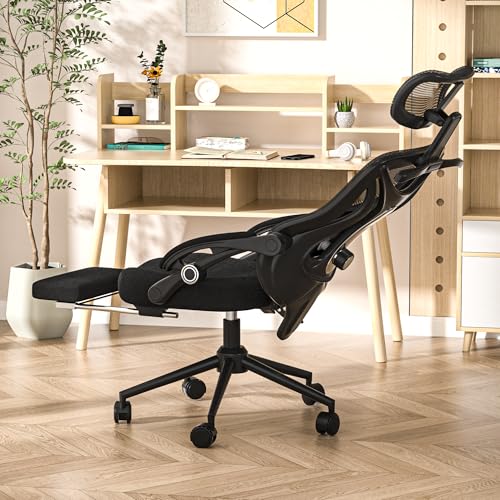
Ergonomic Office Chair with Footrest - Adjustable Lumbar Support & Headrest, 90-160° Reclining Mesh Back Computer Chair - Home Office/Gaming, 350lbs Capacity (SGS Certified)
$169.0
Check Price →
#2
Runner Up
Ergonomic Office Chair, Mesh Desk Chair with Headrest, Lumbar Support, Thick Seat Cushion, Flip-up Arms, High Back Computer Task Chairs for Home Office, Black/Silver
$159.99
Check Price → #3
#3
Best Value
TRALT Office Chair Ergonomic Desk Chair, 330 LBS Home Mesh Office Desk Chairs with Wheels, Comfortable Gaming Chair, High Back Office Chair for Long Hours (Black)
$139.99
Check Price →⚡ Quick Answer
Choosing the right ergonomic chair is more than just picking a stylish seat—it's a long-term investment in your health and productivity. An ergonomic chair properly supports your posture, reduces strain on your back and neck, and enables you to sit comfortably for hours. As ergonomic technology evolves, 2026 brings new standards and features designed to optimize comfort and adaptability in diverse workspace setups.
Table of Contents
Whether you're setting up a home office or upgrading an corporate workspace, understanding what features matter most will help you make an informed decision. Let’s explore what to look for when selecting an ergonomic chair that suits your needs and supports your health over years to come.
Ergonomic Office Chair with Footrest - Adjustable Lumbar Support & Headrest, 90-160° Reclining Mesh Back Computer Chair - Home Office/Gaming, 350lbs Capacity (SGS Certified)
$169.0Check PriceWhy Ergonomics Matter in 2026
With evolving work environments and increased screen time, the importance of ergonomic seating has never been greater. Poor chair design can lead to chronic back pain, neck strain, and repetitive stress injuries—problems that impact your health and productivity long-term. In 2026, ergonomic chairs incorporate smarter features, better materials, and adaptive design elements that prioritize your well-being.
Investing in a good ergonomic chair supports healthy circulation, maintains natural spinal alignment, and reduces fatigue. When you're comfortable, your focus sharpens, and you're less likely to develop musculoskeletal issues that could require costly medical intervention down the line.
Key Features to Consider
When shopping for an ergonomic chair in 2026, focus on adjustable components, material quality, and features that promote proper posture. Balance technical specs like weight capacity and adjustment range with practical comfort considerations. A well-chosen chair doesn't just fit your body today but adapts as your needs evolve.
Ensure the chair has a solid warranty and reputable customer support—ergonomic investment should last several years. Also, consider your workspace space, height preferences, and any specific health concerns that might influence your choice.
Posture Support & Adjustability
The foundation of an ergonomic chair is how well it supports your posture. Look for chairs with adjustable seat height, lumbar support, seat depth, and backrest tilt. These features allow you to customize fit, aligning your hips, spine, and neck in neutral positions—key to avoiding strain.
For example, a chair with a dynamic lumbar support that moves with your back encourages continuous support and helps prevent slouching. Similarly, adjustable armrests reduce shoulder tension when typing or using a mouse and should be modifiable in height and width.
Material Quality & Durability
The longevity of your ergonomic chair depends heavily on material quality. High-density foam cushions provide lasting comfort without sagging, while mesh fabrics can enhance breathability during long sitting sessions. For the frame, aluminum or high-strength plastic are common, with premium models using steel for added durability.
Think about your environment as well: if you work in a warm climate or tend to sweat, a breathable mesh back helps regulate temperature. Conversely, leather might offer aesthetic appeal but can trap heat and wear faster over time.
Specialty Features for Comfort
Modern ergonomic chairs can include innovative features such as adjustable headrests, tilt tension controls, and even built-in massage functions. Some chairs include memory foam or gel cushioning for added comfort. Pedigree models also incorporate fabric that resists stains and odors, prolonging service life.
Adjustable tilt tension and synchronized tilt mechanisms allow your chair to respond naturally to your movements—this helps maintain comfort during extended sitting. A headrest with adjustable height and angle supports your neck and reduces shoulder tension, especially important if you spend hours on video calls or looking at multiple screens.
Final Tips & Buying Advice
In the end, your choice should prioritize your specific needs—consider your body size, workspace setup, and any health concerns. Don't compromise on fit; ergonomic chairs are an investment in your health, so take the time to test options when possible. Read reviews and check for certifications like GREENGUARD or BIFMA to ensure quality standards.
Remember, a good ergonomic setup combines a quality chair with other accessories—such as monitor arms, footrests, and desk mats—to create a supportive, posture-friendly workspace. As of 2026, technology integration like sensors that monitor your sitting posture and provide real-time feedback is also becoming more accessible. Use these innovations to fine-tune your ergonomic setup for lasting health benefits.
Frequently Asked Questions
How do I know if a chair fits my body size?
Check the seat height range, seat width, and lumbar support adjustability. Sit comfortably with feet flat on the floor, knees at 90°, and back fully supported. Many chairs offer adjustable features to accommodate different body types.
Is mesh better than leather for ergonomic chairs?
Mesh tends to be more breathable, reducing heat buildup during long sessions. Leather offers a sleek look but can trap heat and may wear faster. Choose based on your climate and comfort preference.
What is the ideal weight capacity for an ergonomic office chair?
Most supportive ergonomic chairs support at least 250 pounds (113 kg). If you need higher capacity or specific features, check manufacturer specs to ensure safety and durability.
How important is lumbar support?
Very important. Proper lumbar support helps maintain the natural curve of your lower back, reducing strain and preventing pain over time. Adjustability ensures the lumbar support adapts to your spine's shape.
Are expensive ergonomic chairs worth the investment?
Generally, yes. They tend to have better build quality, more adjustability, and longer warranties. Investing in a high-quality chair can improve your health and productivity for years, making it a worthwhile expense.
Can I use an ergonomic chair if I have back problems?
Most likely, yes—provided the chair has appropriate lumbar support and adjustability. It’s also advisable to consult with a healthcare professional for personalized recommendations.
Choosing the right ergonomic chair in 2026 is about aligning features with your body's needs and your workspace. Proper seating can dramatically improve your comfort, posture, and overall health—making those long work hours sustainable and pain-free.
Start by assessing your current setup, prioritize adjustable and supportive features, and don’t hesitate to test chairs when possible. Your body will thank you for it!


