

How to Choose the Right Ergonomic Chairs
Investing in a well-designed ergonomic chair is one of the most impactful decisions you can make for your long-term health and productivity. Poor posture and inadequate support can lead to chronic pain, fatigue, and decreased focus. By understanding the key features to look for, you can select a chair that helps maintain proper spinal alignment, reduces strain, and adapts to your unique body and workspace.
Our Top Picks
Affiliate disclosure: if you buy through these links, we may earn a commission at no extra cost to you.
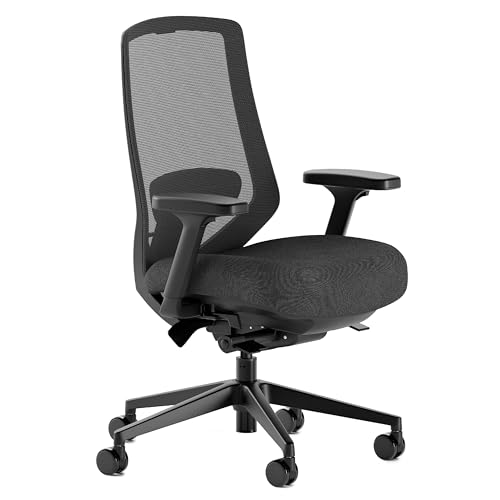
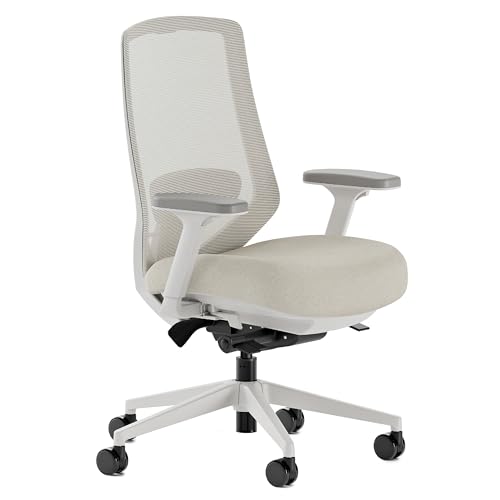
Choosing the right ergonomic chair isn't just about comfort—it's about fostering healthy movement, preventing musculoskeletal issues, and supporting your energy throughout the workday. Let’s explore what makes a chair truly ergonomic and how to find the best fit for your needs.
Branch Ergonomic Chair Pro - Mesh Office Chair with 14 Points of Adjustment - Height, Depth & Tilt Adjustable - 5D Armrests - Forward Tilt, Smooth Recline, and Lumbar Support - Black
$499.0Check Price
Table of Contents
Understanding Ergonomic Principles
At its core, an ergonomic chair is designed to support your body in a neutral, relaxed posture, minimizing uncomfortable pressure points and preventing repetitive strain. Proper lumbar support preserves the natural inward curve of your lower back, which is critical because most office-related back pain originates from poor lumbar positioning. Additionally, promoting dynamic movement—such as slight adjustments and shifts—helps maintain circulation and reduce stiffness over long periods.
When selecting a chair, consider how it influences your posture: your feet should rest flat on the floor or a footrest, knees at approximately 90 degrees, and hips slightly above the knees. An adjustable chair facilitates these settings, allowing you to personalize your seat to match your body’s unique proportions.
Key Features to Consider in an Ergonomic Chair
Not all office chairs offer the same support and flexibility. When evaluating options, pay close attention to the following features:
- Lumbar Support: Adjustable lumbar supports or contoured backrests encourage proper spine alignment. Deep support that conforms to your lumbar curve reduces fatigue.
- Seat Depth and Width: The seat should accommodate your hips comfortably with at least a 2-4 inch gap between the back of your knees and the front edge of the seat.
- Swivel and Base Stability: A smooth 360-degree swivel and a sturdy five-point base enhance movement freedom and prevent tipping.
- Weight Capacity: Ensure the chair's weight capacity exceeds your body weight by at least 10-15% for durability and safety. Typical supports range from 250 lbs to over 400 lbs.
Materials matter too; breathable mesh backrests promote airflow, preventing overheating during long work sessions, while quality padding adds comfort for extended periods.
Adjustability and Customization
Ergonomic chairs shine when they adapt to your specific body type and preferences. Common adjustable features include seat height, backrest tilt, lumbar support height and depth, armrest position, and tilt tension. Prioritize chairs with a wide adjustment range to accommodate different users or changing positions throughout the day.
Practical tip: When testing a chair, make small adjustments and pay attention to how your back and hips feel. A good ergonomic chair allows you to sit comfortably with feet flat, thighs parallel to the ground, and arms supported without shrugging shoulders.
Materials and Build Quality
The durability and comfort of your chair depend significantly on the materials used. In addition to supporting healthy posture, high-quality materials resist wear and tear over years of daily use. Look for sturdy frames made of metal or high-density plastic, and breathable, resilient mesh or foam padding.
If you often move or shift during work, choose a chair with smooth-rolling casters suited to your flooring type—hard wheels for carpets, softer rubberized wheels for hard floors—to prevent damage and ensure easy mobility.
Practical Tips for Choosing and Using Your Chair
Before making your purchase, try out different models in person if possible. Sit in each for at least 5 minutes to assess comfort, support, and adjustability. Remember, an ergonomic chair should be a long-term ergonomic partner, not just a quick fix.
Once you have your chair, set it up correctly: ensure the seat height allows your feet to rest flat on the floor, backrest supports your lumbar, and armrests (if applicable) support your elbows without shrugging or slouching. Regularly check and fine-tune adjustments as your needs evolve or if you notice discomfort developing.
Frequently Asked Questions
How long should I sit in an ergonomic chair before taking a break?
Aim for a break every 30 to 45 minutes. Stand, stretch, or walk around for a few minutes to reduce strain and promote circulation.
Can I use any chair for ergonomic benefits?
No. Not all chairs are designed with proper support and adjustability. While any chair is better than none, investing in an ergonomic model ensures better posture and reduces the risk of discomfort.
Is it necessary to get a high-end ergonomic chair?
High-end chairs often offer superior adjustability and materials, but there are many mid-range options that provide excellent ergonomic support. Choose a chair that fits your body, supports your needs, and fits your budget.
How important is the chair's weight capacity?
Very important. A chair that exceeds your weight ensures durability, safe support, and optimal functionality, especially if you have specific health considerations.
What if I have back pain—should I consult a specialist before choosing a chair?
Yes. If you experience chronic back pain, consider consulting an ergonomic specialist or physical therapist who can advise on support features and proper setup tailored to your condition.
Choosing the right ergonomic chair is a crucial step toward maintaining long-term health and comfort in your workspace. Prioritize support, adjustability, and quality, and remember that proper setup and movement are just as important as the chair itself. Your body will thank you over years of mindful ergonomics.
Next step: Visit a showroom, try out different models, and select an ergonomic chair that truly fits your body and workflow. Your back will thank you for it!
Frequently Asked Questions
How do I choose the right ergonomic chair for my specific body type and work style?
To select the correct chair, measure your height and weight to ensure proper seat depth and lumbar support fit. Look for models with adjustable armrests, headrests, and recline tension that can be customized to your unique posture needs.
What is the best type of ergonomic chair for someone who stands most of the day?
The best option is a high-back executive chair with strong lumbar support that pairs well with a sit-stand converter or standing desk. Ensure the seat cushion has enough density to prevent sinking when transitioning from sitting to standing frequently.
Is it worth investing in an ergonomic chair with mesh fabric instead of leather?
Yes, it is often worth the investment because breathable mesh materials help regulate body temperature during long hours of work. This feature reduces sweat and discomfort, making it a practical choice for warm offices or summer months.
How to choose an ergonomic chair that supports proper spine alignment without causing back pain?
Look for chairs with synchronized tilt mechanisms and adjustable lumbar pads that allow you to lock the seat angle while reclining. These features encourage natural spinal curvature and distribute weight evenly across the pelvis.
What is the best ergonomic chair feature for preventing lower back fatigue during long meetings?
An adjustable headrest and multi-position armrests are essential for reducing strain on the neck and shoulders during extended periods of sitting. Additionally, a seat pan with waterfall edges helps improve circulation in your legs.
Is it worth buying a sit-stand converter chair instead of a full-height ergonomic chair?
A sit-stand converter is a cost-effective solution if you have limited space, but a full-height ergonomic chair offers superior stability and comfort for heavy users. Consider your budget and the amount of time you plan to spend standing before making the final decision.
How do I choose an ergonomic chair that integrates well with my existing desk setup?
Ensure the chair's base width fits comfortably under your desk without obstructing keyboard trays or monitor arms. Check that the maximum seat height aligns with your desk surface to maintain proper elbow angle when typing.


