

Standing Desks Buying Guide: What to Look For in 2026
🏆 Top Picks at a Glance
 #1
#1
Best Overall
Our Top Picks
Affiliate disclosure: if you buy through these links, we may earn a commission at no extra cost to you.
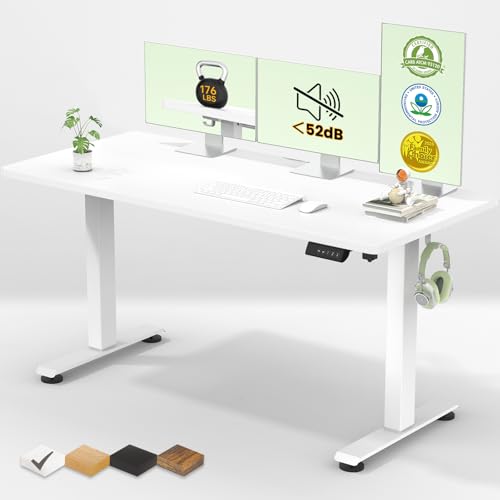
Veken 55 Inch Large Electric Standing Desk,Sit to Stand Up, Heights Adjustable, Work Home Office Computer Table for Study, Walking Pad, Writing, and Games, Wooden Desktop Desks, White
$109.99
Check Price → #2
#2
Runner Up
Crestview Collection Josie Standing Wood and Metal Desk
$189.99
Check Price → #3
#3
Best Value
VIVO Height Adjustable 32 inch Stand Up Desk Converter, Quick Sit to Stand Tabletop Dual Monitor Riser Workstation, Black, DESK-V000S
$99.99
Check Price →⚡ Quick Answer
In today's dynamic work environment, long-term comfort and health hinge on choosing the right workstation setup. Standing desks are a cornerstone of ergonomic office design, helping reduce the risks associated with prolonged sitting, such as back pain, joint strain, and decreased circulation. But with a proliferation of options in 2026—from motorized height adjustments to integrated features—knowing what truly matters can be overwhelming.
Table of Contents
This guide will walk you through the key considerations to ensure your standing desk not only boosts productivity but also prioritizes your well-being over years of daily use. As an ergonomics expert, I believe that selecting a thoughtfully designed desk is an investment in your health, comfort, and work performance.
Veken 55 Inch Large Electric Standing Desk,Sit to Stand Up, Heights Adjustable, Work Home Office Computer Table for Study, Walking Pad, Writing, and Games, Wooden Desktop Desks, White
$109.99Check PriceAdjustable Height and Range
The core benefit of a standing desk is its ability to switch between sitting and standing positions seamlessly. It’s essential that the desk has an adjustable height range that accommodates your body. Typically, a height adjustment span of at least 20 inches is recommended, ensuring users from 5'3" to 6'4" can find a comfortable working height.
Practical tip: Measure your elbow height when standing and sitting. Your desk’s adjusted height should allow your elbows to rest at roughly a 90-110 degree angle while typing. This setup reduces shoulder tension and encourages proper posture.
Weight Capacity and Stability
Stability is crucial for safety and consistent alignment. Most desks support between 150 to 300 pounds, but the real test is how well they maintain stability when adjusted. A sturdy frame with a low center of gravity minimizes wobbling, especially if you habitually lean or rest your arms on the surface during work.
Additionally, heavier desk tops (like those with solid wood or reinforced materials) provide added stability. Remember, a top-heavy or wobbly desk can disrupt posture and lead to frustration or even injury over time.
Practical tip: When choosing a desk, verify its maximum load capacity and ensure it comfortably supports your monitors, keyboard, and accessories without sagging or shifting.Motor Quality and Noise Levels
Electric standing desks are popular for their ease of adjustment. But not all motors are created equal. High-quality, brushless motors tend to be more durable and operate smoothly, requiring less maintenance and lasting longer. They also tend to be quieter—critical if you work in shared spaces.
Look for desks with a noise level below 50 decibels during adjustment; this ensures minimal disruption and reduces stress. Also, consider motor speed—faster adjustment (around 1-2 inches per second) can make transitioning between sitting and standing more fluid without feeling rushed.
Practical tip: If noise sensitivity is a concern, test the desk in person or choose models with well-reviewed sound levels documented by other users.Ease of Use and Personalization Features
Intuitive controls—such as programmable height presets—save time and reduce frustration. Being able to set personalized height positions for sitting, standing, and preferred intermediate heights ensures consistency in your ergonomics routine.
Another consideration is the control mechanism: digital touchpads, physical buttons, or even smartphone apps. The simpler, the better—ease of use encourages regular adjustments, which are vital for long-term health benefits.
Additional Ergonomic Considerations
Beyond the desk itself, think about complementary features and accessories. A durable monitor arm allows optimal monitor height and distance adjustments, reducing neck strain. Proper cable management prevents clutter, enabling smoother transitions and reducing tripping hazards.
Pair your standing desk with an ergonomic chair, keyboard tray, and an anti-fatigue mat to promote active posture. Small adjustments like placed desk mats or laptop stands can also help maintain neutral postures during prolonged work sessions.
Practical tip: Regularly review your setup and make incremental changes; ergonomic comfort is a dynamic process, not a static one.Frequently Asked Questions
How do I determine the right desk height for me?
Measure your elbow height when standing and sitting. Your working height should allow your elbows to be at a 90-110 degree angle, with wrists straight. This promotes good posture and reduces strain.
Are electric standing desks noisy?
High-quality electric desks typically operate below 50 decibels, comparable to a quiet office. Cheaper models may be louder; always check reviews and specifications regarding noise levels.
What weight capacity should I look for?
Support at least 150 pounds as a baseline, but if you use multiple large monitors or heavier equipment, aim for 250 pounds or more for added stability.
Can I convert a regular desk into a standing desk?
Yes, using a sit-stand converter or desk height risers can turn your existing setup into a height-adjustable workspace without replacing furniture entirely.
How important are desk materials for ergonomics?
Materials affect stability, durability, and comfort. Solid wood or metal tops offer stability, while laminate is lighter and easier to clean. Choose a material that supports your workflow and preferences.
How frequently should I switch between sitting and standing?
Start with 15-30 minutes standing every hour, gradually increasing as tolerated. The goal is to reduce prolonged static postures to prevent strain and improve circulation.
In summary, selecting a standing desk with the right adjustable height, stability, quiet motor, and user-friendly features is fundamental to supporting your ergonomic health in 2026 and beyond. Your long-term comfort depends on paying attention to both technical specs and practical usability. Start by assessing your specific needs, then prioritize quality and adjustability to build a sustainable, healthy workspace.
Next step: Review your current setup, identify areas for improvement, and choose a desk that aligns with your ergonomic goals. Remember, investing in your health today creates lasting benefits for your productivity and wellness tomorrow.


