

Spring into Ergonomic Comfort: Best Desk Lamps for Home Offices to Boost Productivity in 2026
🏆 Top Picks at a Glance
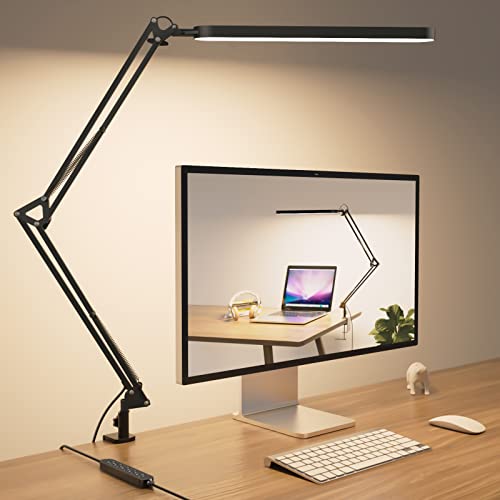 #1
#1
Best Overall
SKYLEO Desk Lamp for Home Office, Eye Comfortable LED Desk Light for Long Hours, Adjustable Swing Arm with Memory Function, Black
$19.99
Check Price → #2
#2
Runner Up
Galnolt LED Desk Lamp for Home Office with Base, 28.2" Adjustable Gooseneck Swing Arm Ultra Bright Desk Light, Dimmable Architect Table lamp for Desktop Computer Light, Reading, Study, Workbench
$49.99
Check Price → #3
#3
Best Value
LED Desk Lamp, Eye-Caring Desk Light with Organized Base, 5 Color Modes & 5 Level Brightness, Adjustable Flexible Gooseneck Touch Lamp, Small Desk Lamp for Home Office, College Dorm Room Essentials
$21.99
Check Price →Our Top Picks
Affiliate disclosure: if you buy through these links, we may earn a commission at no extra cost to you.
Factors to Consider
Choosing the Right Desk Lamp for Your Workspace
⚡ Quick Answer
Start with the lamp’s reach and mounting style: clamp or weighted base matters if you use a standing desk or a full monitor arm setup. Tall, multi-jointed models such as the BenQ e-Reading LED Desk Lamp are built to clear desktop monitors and provide even light across the keyboard without forcing forward head posture. Consider beam control and shielding to avoid glare on screens—position the lamp so it illuminates the work surface, not the monitor, which helps maintain a neutral neck angle. If possible, try lamps in your setup or consult an ergonomist to verify placement for long-term comfort.
Table of Contents
Benefits of Adjustable Brightness and Color Temperature
Adjustable illumination is essential: you’ll want a range from warm (around 2700K) for paperwork to cool (5000K+) for detail work and screen contrast. Lamps like the Honeywell Sunturalux offer both variable brightness and color temperature at an affordable price (about $40), letting you tune light to task and time of day. Properly calibrated task lighting reduces eye strain and helps maintain focus during long hours at a desk (Business Insider). For night work, lower color temps and reduced intensity help preserve circadian rhythms and reduce visual fatigue.
Reach, Beam Control, and Placement for Posture Support
Long-reach arms and wide beams let you light the desktop without leaning forward—which matters for sustained posture. The Uplift LED Desk Lamp E7 is notable for its long reach and energy-efficient LED array, enabling broad coverage from a single source while keeping your head and shoulders relaxed. Look for diffusers or adjustable shades to control contrast and avoid hotspots that make you squint or crane your neck. Proper placement combined with monitor height and keyboard position keeps your spine aligned and minimizes repetitive strain.
Build Quality, Controls, and Ease of Use
Intuitive controls encourage regular use of correct lighting settings—touch sliders or preset scenes are more likely to be adjusted than fiddly knobs. The Humanscale Nova is designed for easy, instinctive operation so users actually change settings as tasks shift; dependable hardware and smooth joints reduce the temptation to leave a lamp in a suboptimal position. Sturdy construction matters for durability and minimizing wobble that could cause you to reposition awkwardly mid-task. Consulting an ophthalmologist, ergonomist, and even an engineer during selection can clarify which features reduce strain for your specific workflow.
Budget, Energy Use, and Long-Term Cost
LED lamps are the practical choice for long-term use: they generally outlast incandescent bulbs and are more energy-efficient (Wirecutter). If you’re price-sensitive, the Honeywell Sunturalux offers adjustable temps and brightness around $40; for higher-end long reach and efficiency, the Uplift E7 is a good trade-off. Factor in expected lamp lifespan, energy draw, and whether replacement parts (diffusers, drivers) are available—cheaper units can cost more in the long run if they need frequent replacement. Remember that spending a bit more on a lamp that supports good posture and reduces eye strain can pay dividends in comfort and productivity over years of daily use.
Frequently Asked Questions
What desk lamp features reduce eye strain most effectively?
Adjustable brightness and color temperature are the top features—being able to lower intensity and shift to warmer light in the evening reduces visual fatigue. Proper beam control and placement to avoid glare on monitors are equally important; the right task lighting has been shown to reduce eye strain and help maintain focus (Business Insider).
Are LED desk lamps worth the higher upfront cost?
Yes. LEDs have a longer lifespan and lower energy use compared with incandescent bulbs, making them more economical over time (Wirecutter). Beyond savings, LEDs provide stable color temperatures and consistent output that help preserve visual comfort during long work sessions.
Which lamp is best for a standing desk with dual monitors?
Choose a lamp with long reach and multi-joint adjustability so you can light the keyboard area without casting reflections on either screen—models like the BenQ e-Reading and Uplift E7 are designed for taller setups and broad coverage. Clamp-mounted options often give more flexible positioning for standing desks than fixed bases.
Can a cheap lamp like the Honeywell Sunturalux ($40) be adequate?
Absolutely—budget lamps such as the Honeywell Sunturalux deliver adjustable brightness and color temperature, which are the most important functional features for reducing strain. For basic tasks and proper placement, a $40 lamp can perform well; prioritize adjustable controls and glare management over price alone.
Should I choose a clamp or a freestanding lamp?
Clamp mounts free up desk real estate and offer flexible positioning—useful with monitor arms or compact desks—while weighted bases are easier to move and require no desk edge. Consider your desk layout, the need for stability, and whether you’ll often reposition the lamp; clamps are preferable if you need precise, repeatable placement for ergonomic alignment.
How bright should a desk lamp be for computer work?
Look for adjustable output with a maximum that provides clear contrast without causing glare—task illuminance typically ranges from a few hundred lux for ambient tasks up to 500 lux for detailed work. The key is variability: being able to dial brightness to match ambient lighting and screen luminance reduces the tendency to lean forward or squint.
Do intuitive controls really make a difference?
Yes—lamps that are easy to operate (like the Humanscale Nova) are more likely to be adjusted throughout the day, helping you maintain optimal lighting for different tasks. Simple, repeatable controls support healthy habits: users will change settings for reading, writing, or screen work rather than ignoring poor lighting.
Conclusion
Good task lighting is an ergonomic investment: the right desk lamp supports posture, reduces eye strain, and sustains productivity during long hours at your workstation. For a balance of reach, adjustability, and long-term value, I recommend choosing an LED lamp with wide reach and variable color temperature—options from BenQ, Uplift, and Humanscale cover those bases, while the Honeywell Sunturalux is an excellent budget pick. Regularly adjust placement and settings to match tasks and preserve comfort over time.


