

How to Set Up Under Desk Treadmill
Under-desk treadmills typically support a useful weight range of about 225–350 pounds. When selecting, also check the motor power: most models use a 0.5–1.5 HP drive, which affects smoothness during heavier gait cycles and long workdays. A stable base and vibration dampening are essential for keeping your desk setup comfortable and minimizing leg and back fatigue.
Table of Contents
Our Top Picks
Affiliate disclosure: if you buy through these links, we may earn a commission at no extra cost to you.


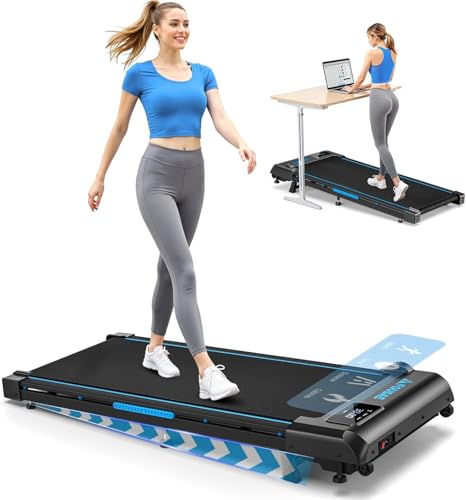
Factors to Consider
Weight capacity and motor power
Speed range and walking posture
Speed is usually in the slow-to-moderate range, commonly 0.4–2.5 mph; stay at the lowest speed that maintains rhythm without bouncing or overstraining the joints. A comfortable pace supports better posture by encouraging a tall spine, relaxed shoulders, and neutral wrists while typing. If you notice core or back fatigue, reduce speed and add micro-breaks or switch to stepping periods rather than continuous walking.
Desk compatibility and workspace fit
Measure your desk clearance and ensure the treadmill belt does not collide with the pedestal or keyboard tray when transitioning from sitting to standing. Typical belt dimensions are around 40×16 inches, with some models offering longer or modular belts for longer strides. Consider desk depth, leg room, and cable management so you can maintain a neutral stance and avoid leaning forward.
Safety features and ergonomic setup
Look for an emergency stop, automatic belt stop, and non-slip running surface. Handrails, if present, should be used sparingly—primarily for balance when adjusting posture rather than as a crutch. Use an anti-fatigue mat to reduce soleus muscle strain and ensure your monitor is placed at eye level to prevent neck flexion while walking.
Maintenance, warranty, and long-term health alignment
Check belt tension and lubrication recommendations, and plan for periodic cleaning to prevent dust buildup in the motor housing. Warranty length varies by model and can cover frame, motor, and belt; longer warranties are a good proxy for durability in a busy home office. Choose a treadmill that fits your life: easy maintenance reduces long-term friction in keeping your posture healthy as you alternate sitting and walking.
Frequently Asked Questions
What speed should I use on an under-desk treadmill?
Start at 0.4–0.6 mph to ease into movement without destabilizing typing. Research on workplace activity shows even light desk movement increases energy expenditure compared with sitting. If you feel stable and maintain good posture, you can gradually adjust; otherwise lower speed or take short breaks between walking and desk work.
Will an under-desk treadmill fit under my desk?
Most models require about 70–90 cm of clearance from the desk to the floor and a desk height of roughly 28–30 inches. Check belt length (40–50 inches) and overall footprint to prevent hitting the desk or chair during transitions. Ensure enough knee and leg room to maintain a neutral knee angle while walking.
Is it safe to type while walking?
Typing while walking is feasible at very slow speeds, but accuracy can drop at higher speeds. Keep wrists straight and elbows at about 90 degrees; consider a keyboard tray or adjustable-height desk to encourage neutral posture. If you notice increased errors or shoulder tension, slow down or stop walking while typing.
How loud is an under-desk treadmill and how can I reduce noise?
Many under-desk treadmills operate in roughly the 40–60 dB range, depending on speed and belt tension. Use a high-quality anti-vibration mat and place the unit on a stable, level surface to minimize furniture vibration. If noise is a concern, choose a model with a softer belt and check reviews for real-world decibel impressions.
What maintenance does an under-desk treadmill require?
Regularly check belt tension and alignment according to the manufacturer’s guidance and apply lubrication if recommended. Wipe down the belt and housing to prevent dust buildup, and schedule periodic servicing if you notice unusual noises. A well-maintained belt reduces uneven wear and supports consistent stride mechanics, which helps posture over time.
How should I set up my desk for best ergonomics while using the treadmill?
Position your monitor at eye level and keep the keyboard at elbow height with wrists neutral to maintain posture while walking. Use a sit-stand routine to alternate postures and avoid prolonged periods in a single stance. Ensure your feet have space to move naturally, and avoid leaning forward toward the desk, which can strain the neck and lower back.
Is a warranty worth it when buying an under-desk treadmill?
Yes—look for at least a multi-year warranty on the frame and motor and a reasonable coverage period for parts. A strong warranty reflects the manufacturer’s confidence in long-term reliability, which matters when you rely on the device daily for work tasks. Also check the availability of service centers and replacement parts in your region.
Conclusion
Setting up an under-desk treadmill thoughtfully supports healthier movement patterns without sacrificing productivity. Choose a model with appropriate weight capacity, quiet operation, and ergonomic compatibility, and pair it with a consistent sit-stand schedule to protect your back and neck over years of use.


